
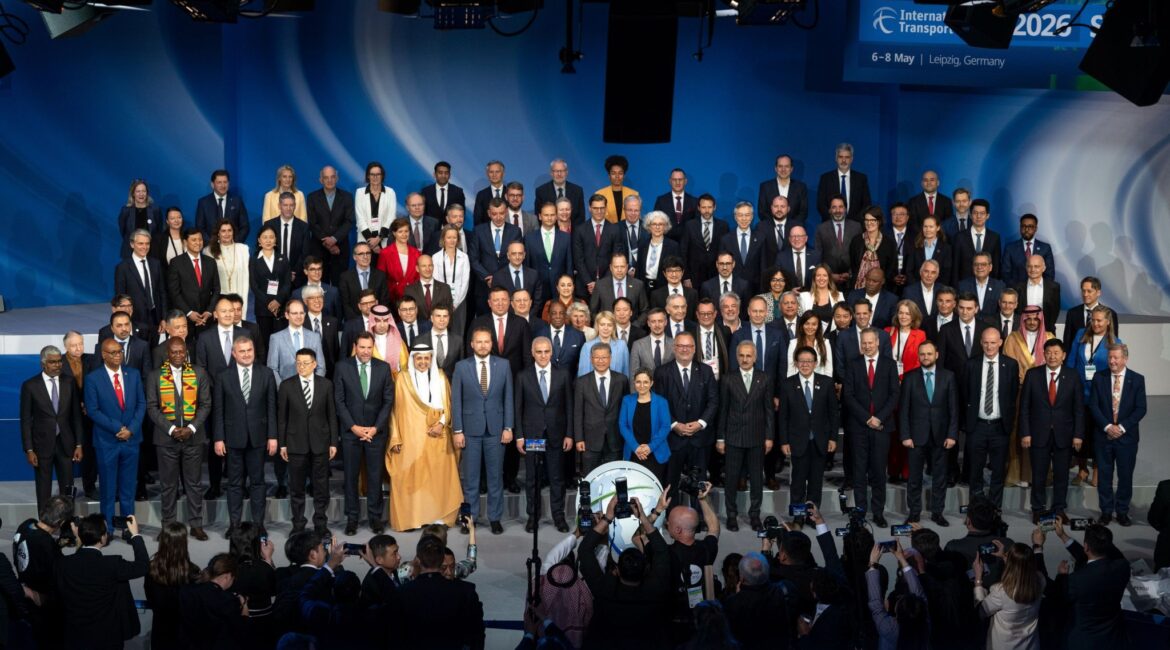
The Partnership for Active Travel and Health (PATH) joined this year’s ITF Summit at Leipzig, Germany from 6-8 May 2026, representing the coalition’s call to recognise walking and cycling as a key solution to the climate and health challenges we face.
The ITF Annual Summit is the world’s largest gathering of transport ministers and the premier global transport policy event. This year, the International Transport Forum continues the theme of strengthening transportation resilience for better long-term connectivity, efficiency, and reliability.
PATH called for strategic, holistic planning
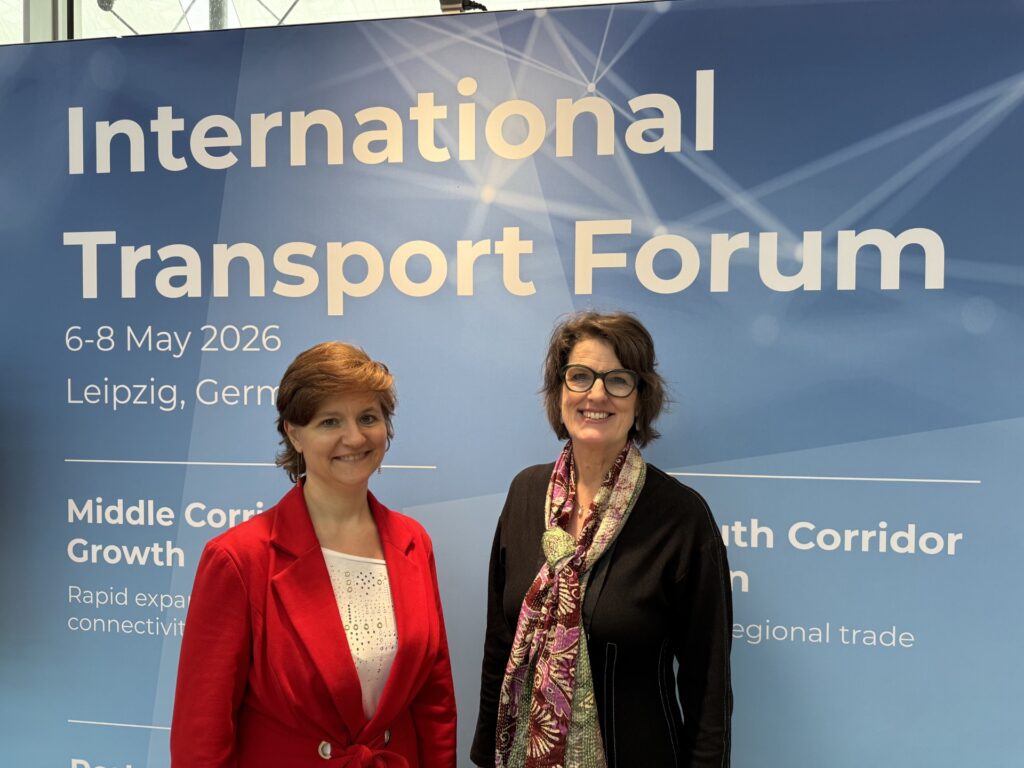
The PATH coalition was well represented by Laurianne Krid (Chief Executive Officer, European Cyclists’ Federation) and Bronwen Thornton (Chief Executive Officer, Walk21 Foundation).
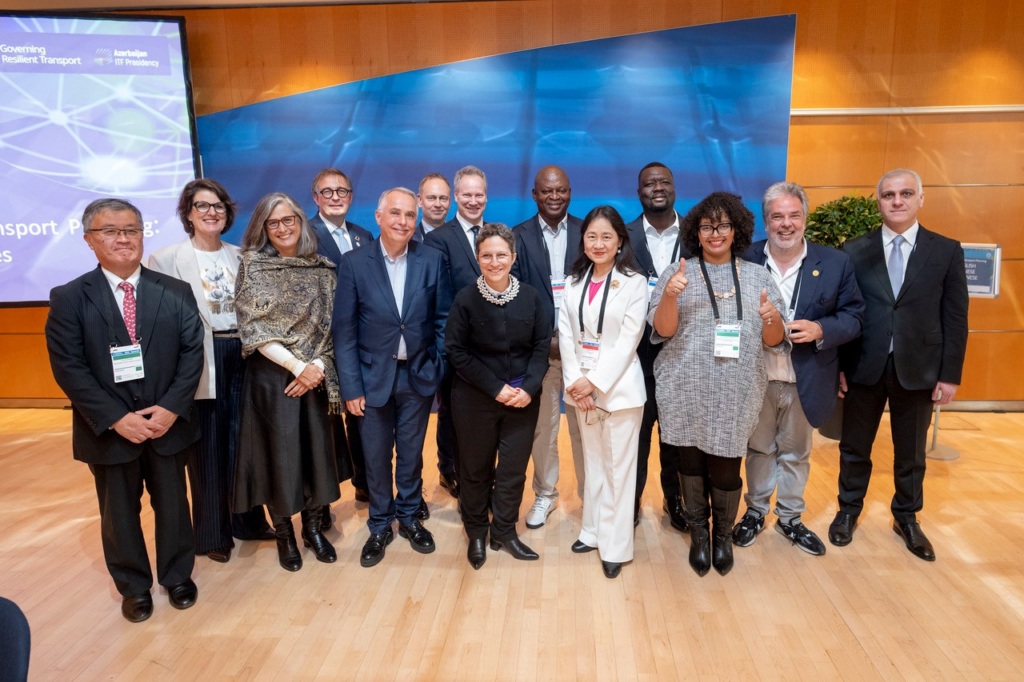
Thornton spoke at the Ministerial Round Table on Vision-Led Transport Planning – which is a closed event for open discussions between Ministers and civil society and private enterprise. Her talking points included that vision-led planning allows us to question assumptions and rebalance priorities, ensuring we meet the needs of everyone in our communities; that transport is not just infrastructure but the human experience as well; and that active mobility must be central to our transport and urban development going forwards.
She also shared the PATH knowledge products as key tools for enabling governments to understand the needs of people walking and cycling and how to integrate them across departmental objectives to inform planning and deliver more sustainable transport systems.
In a side event led by FIKA, she talked more about the importance of active mobility in a rural context, the need for shortcuts, and to ensure that all corridors are multi-modal and safe for people on foot or bicycle. That the impact of not providing for these users is not only reflected in the loss of access to markets and services, but also in lives – as pedestrians are most at risk in higher speed corridors.
Making the case for resilient design
Meanwhile, Laurianne Krid met with François Davenne (President, International Union of Railways), Gautier Brodeo (President, International Association of Public Transport), and extensively exchanged with the new SLOCAT Secretary General Carly Gilbert Patrick.
Discussions focused on upcoming engagements at COPs and associated organisation commitments for the UN Decade of Sustainable Transport. Both Thornton and Krid attended a closed event with ministers to discuss the monitoring of these commitments.
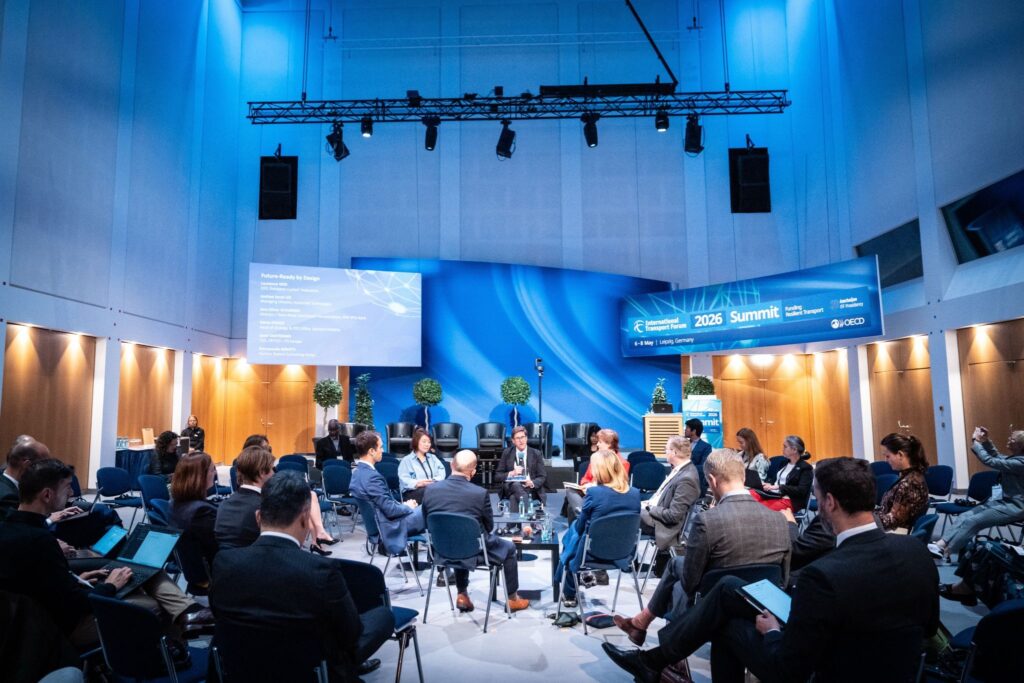
Krid served also served as a panelist at a session titled “Future-Ready by Design” together with technology and industry players (ERTICO-ITS Europe, Siemens, Boston Consulting Group and Autocrypt Technologies). She stressed the need to invest in physical infrastructure and optimising it through technology. Whilst extreme events may disrupt this technology (electricity blackouts, cyberattacks), well-designed physical infrastructure is likely to show higher levels of resilience.
From the discussion, being future-ready means:
- Enabling more people to walk and cycle, which are energy-efficient and accessible.
- Ensuring the safety of all road users, especially the most vulnerable.
- Developing healthier, ageing societies by creating life-long habits from a young age, such as cycling to school.