
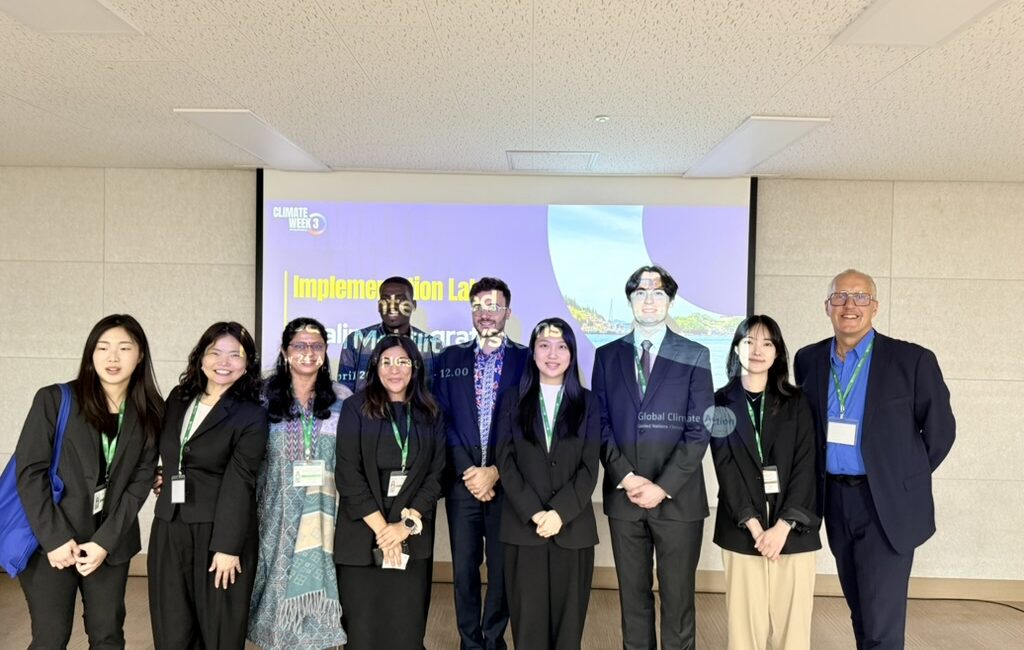
Last week, PATH took part in Climate Week 3 in South Korea – one of several regional events held throughout the year to support progress toward the annual UN climate negotiations. These “Climate Weeks,” convened under the UNFCCC, bring together governments, cities, businesses and civil society to accelerate climate action and collaboration ahead of the Conference of the Parties (COP).
During the week, PATH contributed to the Marrakesh Partnership for Global Climate Action, a platform that connects non-governmental actors, such as organisations, coalitions and businesses, with the formal UN climate process. The presentation of PATH’s work on inclusive mobility was well received, leading to follow-up discussions with international partners including the World Health Organization’s regional office in Asia and UN climate implementation teams.
PATH also engaged with the NAZCA, a global platform that tracks and promotes climate commitments from cities, regions, companies and other non-state actors. These conversations explored how PATH’s work could be further promoted as an active contributor to the international climate action efforts.
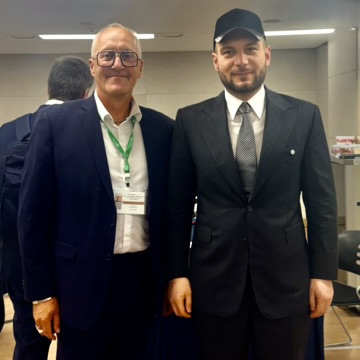
A key moment of the week was participation in the Urban Mobility session, where PATH shared its perspective on sustainable transport together with PATH partners SLOCAT and C40. This session forms part of the “Avoid and Shift” breakthrough: an agenda emerging from COP discussions that focuses on reducing the need for travel (“avoid”) and encouraging more sustainable modes such as walking, cycling and public transport (“shift”).
Jim Walker, Director of Walk21 Foundation, spoke on behalf of PATH, and reinforced the importance of walking and cycling as a quick, affordable and reliable solution to reducing transport emissions. He said: “The risk of not investing in active travel, in terms of global CO2 emissions, could be a 7% increase in global CO2 emissions, as people choose to motorise rather than deal with difficult, dirty and often dangerous conditions. Conversely, if walking and cycling was to be made safer, cleaner, easier and more inviting, we can probably reduce global CO2 emissions by another 6%”.
Jim shared PATHs latest global policy stocktake report (January 2026) that shows half of countries have included walking and cycling as a solution in their climate policies (Nationally Determined Contributions – NDCs).
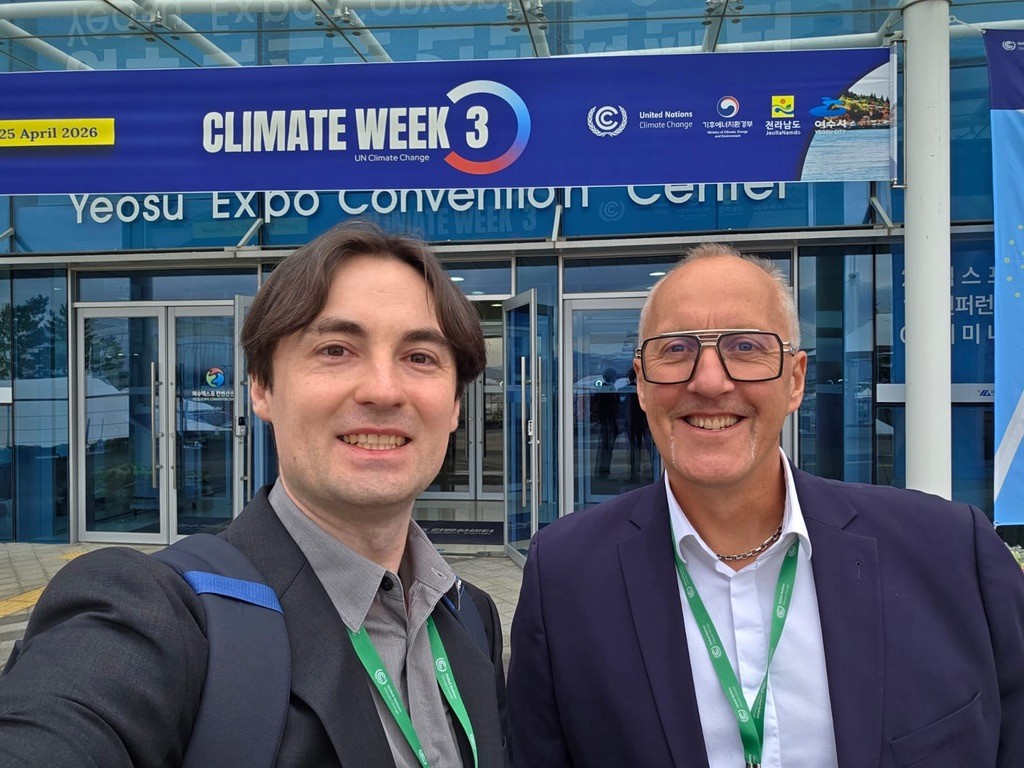
Jim added: “We hope that the recent announcement of the UN Decade for Sustainable Transport, might give us a realistic timeframe for the other 50% of countries to catch up on this new wave of investment in safe, inclusive, clean – ‘positive mobility.’ –it’s better to plan now than wait for the oil to run out, for the next pandemic, or for the climate to collapse even further”.
Overall, Climate Week 3 provided an important opportunity to strengthen relationships, raise awareness of PATH’s work, ensure that walking and cycling is a practical solution to accelerating the pace and scale of delivery for several Sustainable Development Goals and the Paris Agreement, and ensure active transport is part of the COP31 priorities for November 2026 in Turkey.